Physiotherapy Logan
NDIS physiotherapy across Logan, delivered in homes, supported accommodation and the community, with a focus on complex physical disability, mobility and safe daily movement.
Select Your Funding to Book an Appointment:
Need help now? Speak with our team on 1300 765 456.

Our Team
Meet Our Logan Team
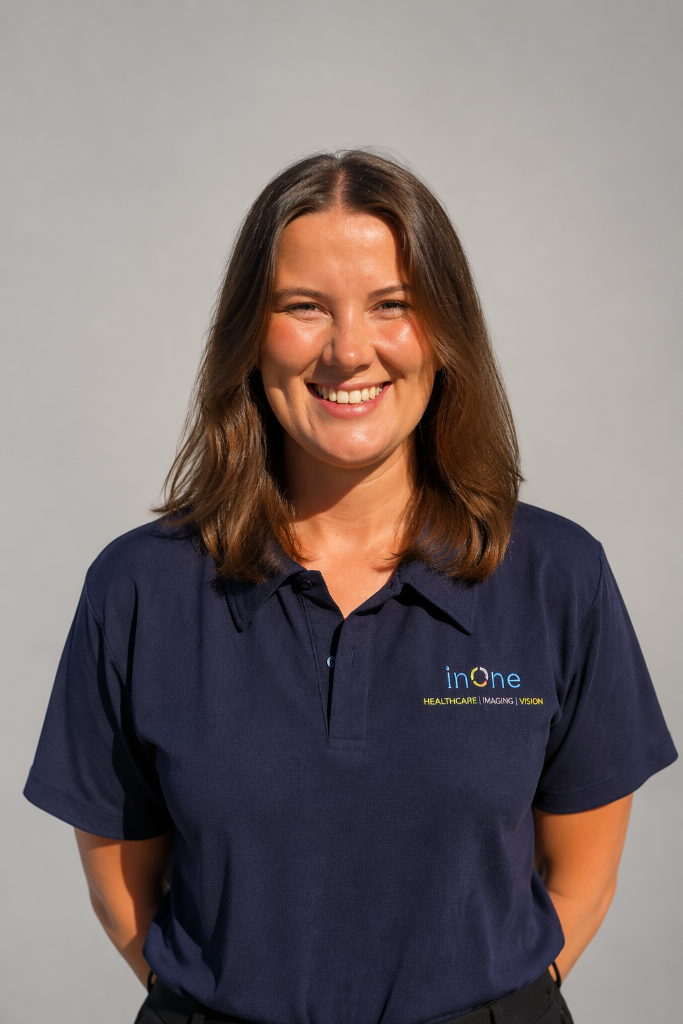
Gemma Kinnealy
Occupational Therapist & QLD Allied Health Manager
View profile →
I'm Gemma, an Occupational Therapist, and I have the pleasure of working with young adults through to older adults. I especially enjoy helping those with complex neurological conditions like brain injuries, strokes, or Parkinson's, as well as supporting older adults in staying safe and comfortable in their own homes. Building rapport and creating a comfortable, supportive environment is at the heart of my practice.
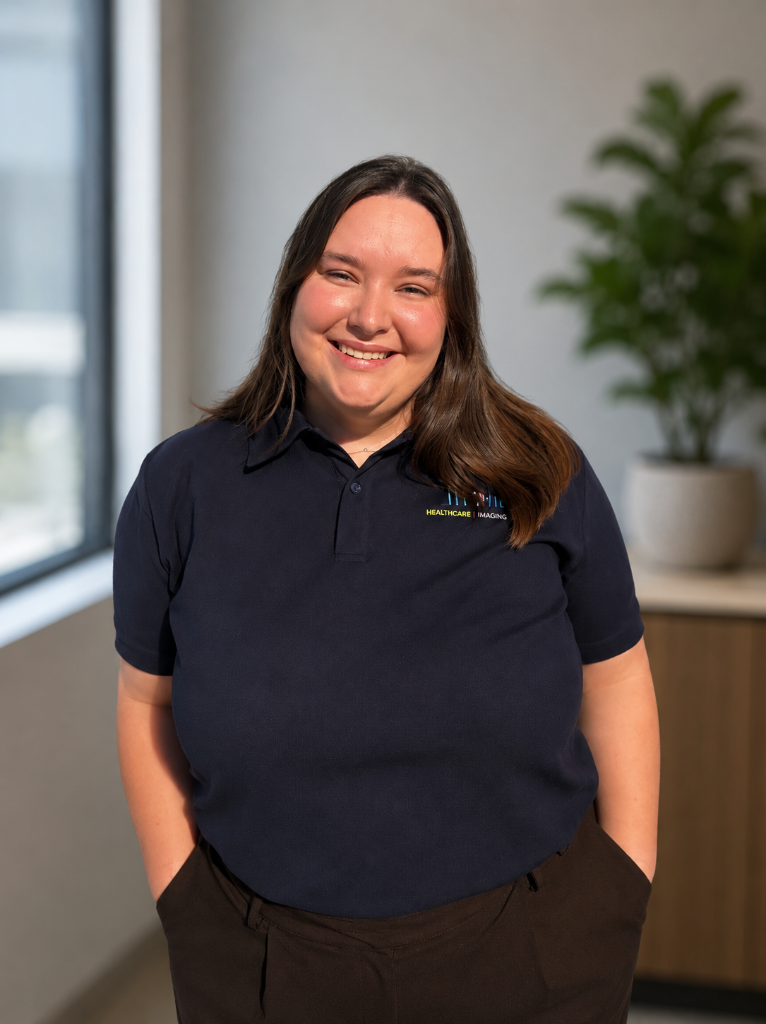
Brydie Allen
Senior Occupational Therapist
View profile →
Hi, I'm Brydie, an Occupational Therapist. I love working with a range of people from young adults to older adults, and I enjoy working with people in their homes to understand their stories and build rapport in their own environment. I have experience working with people with neurological conditions including brain injury, stroke, Parkinson's and MS, and I also work with older adults to keep them safe and independent within their own homes.
Gemma and Brydie work closely with our Logan Physiotherapists on shared clients, particularly where equipment, seating, transfers and home access need physiotherapy and occupational therapy input together.
Service Area
Logan Suburbs We Service
Our mobile Physiotherapists travel across Logan. Select your region to see the suburbs we cover. We also provide physiotherapy across Brisbane, Gold Coast, Ipswich and the Sunshine Coast.
Availability
Current Wait Time
Estimated appointment availability for Physiotherapy in Logan.
Physiotherapy
Logan
Physiotherapy
Same Week
Ready to book? Start a referral today.
Make a ReferralWhat We Do
How Our Logan Physio Team Supports You
Neurological Rehabilitation
Physiotherapy for participants living with cerebral palsy, stroke, ABI, spinal cord injury, MS and other neurological conditions, focused on functional movement and independence.
Mobility, Transfers & Manual Handling
Assessment and retraining of transfers, bed mobility and walking, plus manual handling plans and hands-on training for the people providing daily support.
Tone, Contracture & Positioning
Spasticity and tone management, stretching and splinting programs, contracture prevention, and 24-hour positioning to protect joints, skin and comfort.
Equipment & Seating Support
Physiotherapy input into wheelchairs, seating, standing frames, walking aids and other equipment, working alongside occupational therapy on assessment and trial.
Who We Support
Who We Support
Our Logan Physiotherapists work with NDIS participants living with the conditions listed here.
Conditions we support
What We Work On
What We Work On
Our Logan Physiotherapists address the full picture of a participant's movement, positioning and support needs, not just one part of it.
What we work on
Supported Accommodation
Working in Supported Accommodation
Much of our Logan work is delivered in SIL homes and supported accommodation, where the physiotherapist is present for an hour and the support team is present for the rest of the week. That changes what a good program looks like.
We write programs that a rotating staff team can follow consistently, provide hands-on training rather than paperwork alone, complete manual handling assessments that reduce risk for both the participant and the workers, and review regularly so that a program does not quietly drift out of date as the participant changes.
We are also comfortable working alongside behaviour support practitioners, support coordinators and house managers, and we will say clearly when a movement problem is actually an equipment problem, a staffing problem or a pain problem.
Reports & Evidence
Reports and Evidence for Your Plan
We provide functional assessments and progress reports written so a planner can follow the reasoning, from the participant's condition, through its functional impact, to the specific support being recommended.
Physiotherapy is typically funded under Capacity Building, Improved Daily Living, with Improved Health and Wellbeing also relevant for some participants. We support self-managed, plan-managed and NDIA-managed participants, and work directly with support coordinators, plan managers and Local Area Coordinators.
Scope of Care
Other Physiotherapy Services in Logan
Alongside NDIS capacity building, our Logan physiotherapists provide:
Ready to get started?
Make a referral or contact our team today. We'll get back to you within 1 business day.
Make A Referral 1300 765 456 info.qld@inonehealthcare.com.auSimple Process
How to Get Started
Make a referral
Participants can refer themselves. We also accept referrals from support coordinators, plan managers, families and carers, SIL and support providers, GPs and specialists, and hospital and rehabilitation teams.
We match the clinician
Your referral is allocated to a Logan Physiotherapist with experience relevant to the participant's condition, complexity and goals.
Assessment where the participant lives
We assess movement, transfers, positioning, equipment and function in the participant's own home or supported accommodation, with support workers involved where appropriate.
A program the team can deliver
Treatment plus a clear written program, hands-on training for support workers and family, and manual handling guidance where transfers are involved.
Review, adjust, report
Programs are reviewed as the participant changes, with progress reports provided for plan reviews and the wider support team.
Got Questions?